
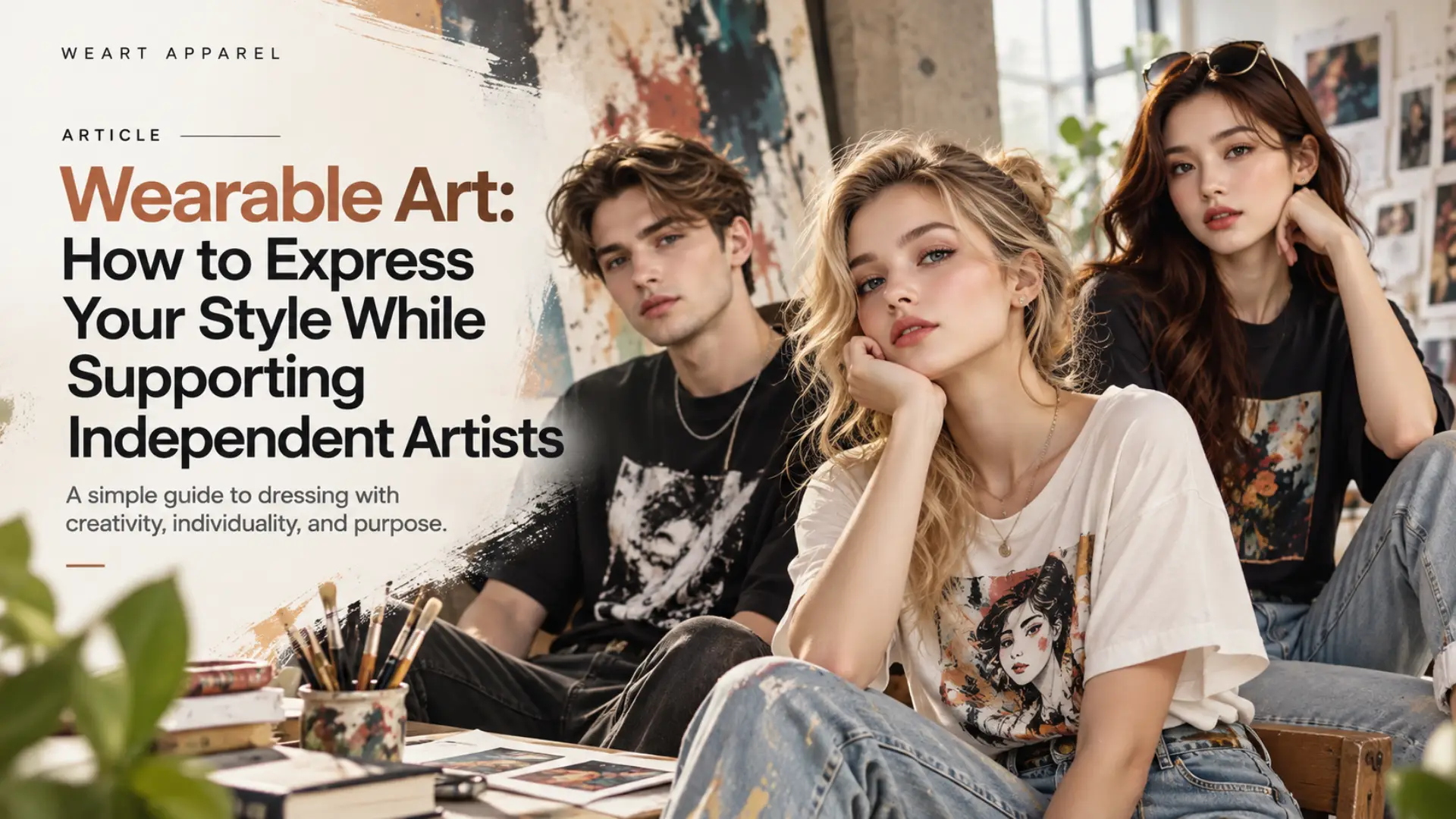
Fashion has always been a way for people to express their personality, interests, and creativity. Beyond colors, fabrics, and seasonal trends, clothing can also become a meaningful platform for artistic expression. Wearable art combines everyday fashion with original creative work, allowing people to carry unique designs into their daily lives while introducing the work of talented artists to wider audiences.
Artist-designed apparel offers a different experience from conventional clothing because each design can represent an individual perspective, creative technique, or personal story. Whether featuring illustrations, photography, abstract compositions, or digital artwork, these pieces transform ordinary garments into something more personal. Understanding the value of wearable art can help consumers make thoughtful fashion choices while contributing to a more creative and diverse artistic community.
Understanding the Creative Value of Wearable Art
Wearable art refers to clothing and accessories that incorporate artistic elements as an important part of their design. Unlike conventional fashion graphics that may be created primarily to follow commercial trends, wearable art often begins with an original concept developed by an artist. The resulting piece combines visual creativity with the practical function of an everyday product.
The appeal of wearable art comes from its ability to connect fashion with individual expression. A simple T-shirt featuring an original illustration can communicate personal interests, artistic preferences, or an appreciation for a particular creative style. Abstract artwork may appeal to someone who enjoys experimental design, while photography-based apparel can reflect an interest in visual storytelling.
Wearable art also makes creative work more accessible. People who rarely visit galleries or exhibitions may still encounter original artwork through clothing worn in public spaces. This creates opportunities for artistic discovery outside traditional cultural environments and allows creative expression to become part of ordinary social interactions.
How Clothing Becomes a Canvas for Creative Expression
A garment can function as a moving canvas that introduces artwork to different audiences throughout the day. Unlike a painting displayed in one location, an artistic design printed on clothing can appear in cafes, schools, workplaces, public transportation, and social gatherings. Each appearance creates another opportunity for someone to notice the artwork and become curious about its meaning or creator.
This connection between clothing and creativity gives artist-designed apparel a distinctive identity. The visual composition, color choices, and artistic techniques become part of how the garment communicates with others. For the wearer, choosing a particular design can also be a personal statement about the kinds of creative work they appreciate.
As wearable art continues to connect fashion and visual culture, it demonstrates that artistic expression does not need to remain limited to conventional exhibition spaces. Everyday objects can provide meaningful opportunities for people to experience and share creativity.
Choosing Artist-Designed Apparel That Reflects Your Personal Style
Selecting wearable art involves more than choosing an attractive graphic. The design should also fit comfortably into your wardrobe, reflect your personal preferences, and suit the occasions when you expect to wear it. Considering both the artistic qualities and practical features of a garment can make it easier to choose something that remains enjoyable over time.
One useful approach is to identify the visual styles that naturally appeal to you. Some people prefer minimalist illustrations with simple colors, while others enjoy bold compositions, detailed drawings, or expressive abstract artwork. Recognizing these preferences can help narrow the available options without relying entirely on temporary fashion trends.
Comfort and material quality are equally important. Even an impressive artistic design may receive little use if the garment is uncomfortable or difficult to maintain. Paying attention to fabric composition, sizing information, printing methods, and care instructions can help ensure that the clothing works well for everyday activities.
Versatility is another consideration. Artist-designed clothing can often be paired with simple wardrobe essentials to create a balanced appearance. A shirt featuring a colorful illustration, for example, may work particularly well with neutral trousers or a casual jacket. This allows the artwork to become the visual focus without requiring an entirely new wardrobe.
Discovering the Story Behind an Original Design
Learning about the artist can make wearable art feel more meaningful. Every creative work begins with an idea, and the inspiration behind a design may come from personal experiences, cultural influences, nature, architecture, or experimental artistic techniques. Understanding this background can provide a deeper appreciation of the finished product.
Independent artists frequently develop recognizable visual styles through years of practice and experimentation. Their artwork may reflect a particular medium, creative philosophy, or recurring subject. Exploring an artist’s portfolio can reveal how an individual design relates to their broader body of work.
For consumers, this additional context can transform a clothing purchase into an opportunity for artistic discovery. Rather than viewing a printed image as an anonymous decoration, the wearer can recognize it as a piece of creative work developed by a real person. This connection adds personal significance to the garment and encourages greater appreciation for the effort involved in producing original art.
Supporting Emerging Artists Through Everyday Fashion Choices
Emerging artists often face challenges when trying to introduce their work to larger audiences. Building visibility can require access to exhibitions, professional networks, promotional resources, and established online communities. For creators who are still developing their careers, these opportunities may not always be readily available.
Artist-designed apparel offers an additional way for creative work to reach potential supporters. When an artist collaborates with an apparel producer or makes products featuring their own designs, the resulting items can introduce their artwork to people who might not otherwise discover it. Clothing, bags, posters, and other functional products provide different settings in which original artwork can be experienced.
Thoughtful purchasing decisions can play a role in supporting these creative efforts. Consumers may wish to learn whether an artist is credited for the design and how the product relates to their original work. When information is available, understanding licensing arrangements or artist compensation can also help shoppers evaluate whether a collaboration recognizes the creator’s contribution.
Supporting independent artists does not always require making a purchase. Sharing an artist’s portfolio, recommending their work to friends, or engaging with their creative projects can also contribute to visibility. These small interactions may help introduce emerging talent to new audiences and encourage greater appreciation for original creative work.
Caring for Artistic Apparel and Making It Last
Taking proper care of artist-designed clothing helps preserve both its practical value and visual appearance. Printed artwork may be affected by excessive heat, harsh washing conditions, or unsuitable drying methods, depending on the fabric and printing technique. Following the manufacturer’s care instructions is the most reliable way to maintain the garment.
For many printed shirts, washing with similar colors and avoiding unnecessary exposure to high temperatures may help reduce wear. Turning garments inside out before washing can also help protect certain printed surfaces from friction. However, specific care requirements vary, so the instructions provided with the product should always take priority.
Choosing durable clothing and maintaining it carefully can also encourage a more considered approach to fashion consumption. Instead of repeatedly replacing garments based on short-lived trends, consumers can build a collection of pieces they genuinely enjoy wearing.
Ultimately, wearable art represents a connection between creativity, personal identity, and everyday life. Artist-designed apparel allows people to express their interests while giving original artwork another opportunity to be seen and appreciated. By learning about the creators behind the designs, choosing clothing thoughtfully, and caring for each piece, consumers can develop a more meaningful relationship with what they wear.
Fashion does not have to be limited to appearance or functionality. It can also become a way to celebrate artistic talent, encourage creative discovery, and bring original visual expression into ordinary experiences. Every thoughtfully chosen piece has the potential to connect the artist, the wearer, and the people who encounter the artwork along the way.